
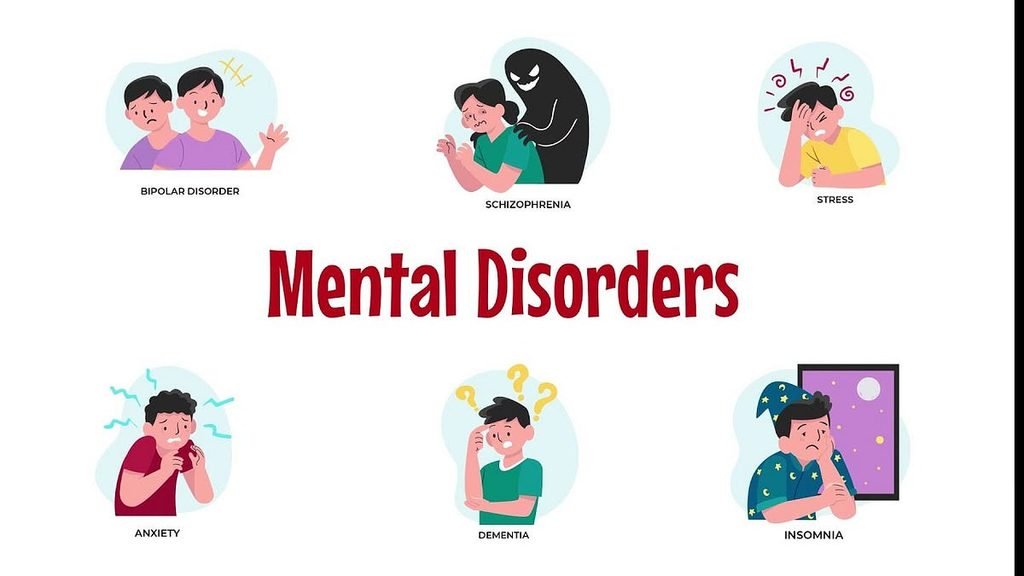
Mental disorders can affect how a person thinks, feels, behaves, and manages everyday life. They include conditions such as depression, anxiety disorders, bipolar disorder, post-traumatic stress disorder (PTSD), and schizophrenia. However, these conditions do not all develop for the same reason. Genetics, brain development, difficult life experiences, chronic stress, physical health conditions, and social environments can all influence mental health. Some people develop symptoms after a traumatic experience, while others experience mental health difficulties without an obvious trigger. Understanding the causes of mental disorders helps reduce stigma and encourages people to seek appropriate support. It also explains why mental illness should not be treated as a personal failure or a sign of weakness. Although researchers continue to investigate how these factors interact, evidence shows that mental health is influenced by biological, psychological, and social circumstances throughout life.
What Are the Main Causes of Mental Disorders?
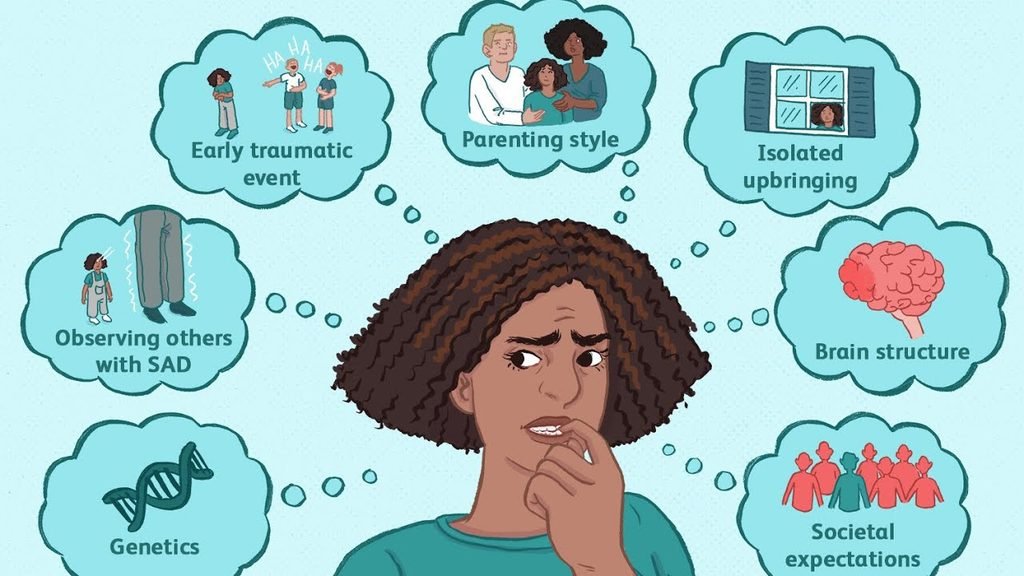
Mental disorders usually arise from a combination of genetic, biological, psychological, and environmental factors. Family history, brain development, trauma, prolonged stress, substance use, physical illness, and social adversity can increase vulnerability. However, no single factor explains every condition, and having a risk factor does not mean someone will inevitably develop a mental disorder.
Key Takeaways
- Mental disorders rarely have one universal cause; several factors may contribute.
- Genetics can influence vulnerability, but inherited risk does not guarantee illness.
- Trauma, chronic stress, isolation, and difficult living conditions can affect mental health.
- Brain development, physical health, and substance use may also play a role.
- Supportive relationships, effective coping skills, and access to treatment can protect well-being.
- Persistent symptoms that interfere with daily life deserve professional assessment.
1. What Biological Factors Can Contribute to Mental Disorders?
Biological factors include inherited characteristics, brain development, nervous system functioning, and certain physical health conditions. These factors can influence how a person responds to stress, regulates emotions, and processes information.
Genetics and family history
Genetics can influence a person’s likelihood of developing certain mental disorders. Research discussed by the National Institute of Mental Health (NIMH) shows that mental health conditions such as depression and anxiety can involve interactions between genetic variation, life experiences, and environmental influences.
A family history may indicate increased vulnerability, but it does not establish a diagnosis or predict an individual’s future with certainty. Most common mental disorders do not result from one single gene.
For example, someone with a close relative who has depression may have an elevated risk. However, supportive relationships, personal circumstances, other biological factors, and life experiences also matter.
Brain development and nervous system function
The brain regulates emotions, memory, attention, decision-making, and responses to perceived threats. Differences in brain development and functioning can contribute to some mental disorders.
For instance, research into schizophrenia has identified differences in brain structure and connections that may be associated with the condition. Scientists also investigate how genetic and environmental influences affect brain development before birth and throughout life.
These findings do not mean that every person with a mental disorder has an identifiable brain abnormality. Nor do they mean that a routine brain scan can diagnose every psychiatric condition.
Neurotransmitters and brain chemistry
Neurotransmitters are chemical messengers that help nerve cells communicate. Researchers study neurotransmitter systems because they are involved in mood, motivation, sleep, attention, and other functions relevant to mental health.
However, mental disorders should not be explained simply as a chemical imbalance. Their biology is complex, and a single neurotransmitter level cannot explain every person’s symptoms or establish a diagnosis.
Physical illness, injury, and other medical factors
Some medical conditions can affect mental well-being or produce symptoms that resemble psychiatric problems. Examples include traumatic brain injury, chronic pain, certain neurological conditions, and other illnesses that disrupt sleep, energy, concentration, or daily functioning.
Medications and substance-related effects may also influence mood or thinking. A healthcare professional can help determine whether symptoms relate to a mental disorder, a physical condition, a treatment effect, or a combination of factors.
2. How Can Psychological Factors Affect Mental Health?
Psychological factors include emotional regulation, coping strategies, patterns of thinking, and the way a person responds to difficult experiences. These factors can influence vulnerability to distress, although they do not independently explain every mental disorder.
Trauma and adverse childhood experiences
Experiences such as abuse, neglect, violence, bullying, and serious instability during childhood can affect emotional development and the ability to feel safe. Some people exposed to trauma later develop conditions such as PTSD, anxiety disorders, or depression.
The outcome varies. Not everyone who experiences trauma develops a mental disorder, and mental illness can occur without a known history of traumatic events.
Prolonged stress and emotional pressure
Long-term stress can affect sleep, concentration, mood, and relationships. Financial difficulties, demanding work, caregiving responsibilities, relationship conflict, and repeated uncertainty may increase psychological strain.
Stress may contribute to the onset or worsening of symptoms in someone who is vulnerable. However, everyday stress is not itself proof of a psychiatric disorder.
Coping patterns and emotional regulation
People differ in how they manage strong emotions and recover from setbacks. Persistent avoidance, difficulty regulating emotions, or limited coping resources may make some situations harder to manage.
These patterns are not character flaws. They can be influenced by upbringing, experience, biology, and current circumstances. Psychological support can help people develop more effective ways to respond to challenges.
3. Which Environmental and Social Factors Increase Risk?
The environment in which people live, work, study, and form relationships can strongly influence mental health. The CDC and WHO identify factors such as violence, discrimination, poverty, isolation, and limited access to services as important influences on mental health risk.
Poverty and financial insecurity
Difficulty paying for housing, food, healthcare, or education can create ongoing uncertainty. Financial strain may also limit access to treatment and reduce opportunities for rest, recreation, and social connection.
Poverty does not automatically cause mental illness. Rather, prolonged exposure to hardship can contribute to stress and interact with other vulnerabilities.
Family conflict, bullying, and discrimination
Repeated conflict, abusive relationships, workplace harassment, bullying, and discrimination can undermine a person’s sense of safety and belonging.
The effects depend on the severity and duration of the experience, the individual’s circumstances, and the support available. Safe relationships and appropriate intervention can help reduce ongoing harm.
Loneliness and social isolation
Social isolation means having limited social contact, while loneliness describes the distress a person may feel when their relationships do not meet their needs.
Both can affect emotional well-being. People who lack meaningful support may have fewer opportunities to discuss difficulties, obtain practical help, or receive encouragement to seek care.
Living alone does not automatically mean someone is lonely or mentally unwell. The quality of social connections is often more meaningful than the number of contacts a person has.
Prenatal and early-life influences
Factors before birth and during early development may influence later mental health. Depending on the condition, these may include certain prenatal exposures, complications affecting development, and early nutritional or environmental challenges.
These are areas of scientific investigation, not simple explanations for an individual’s diagnosis. A person’s later mental health cannot usually be attributed to one prenatal event without careful clinical and scientific evidence.
4. Can Lifestyle Habits and Substance Use Contribute to Mental Disorders?
Lifestyle and substance-related factors can influence mental health, especially when they interact with biological vulnerabilities, stressful circumstances, or existing conditions.
Alcohol and drug use
Alcohol and other psychoactive substances can affect mood, sleep, judgment, and perception. Some substances may trigger or worsen anxiety, depressive symptoms, or psychotic symptoms. Repeated use can also lead to substance use disorders, which may occur alongside other mental health conditions.
The relationship can work in both directions: someone may use substances to cope with distress, while substance use may then make that distress worse.
If symptoms begin or change after substance use or a medication change, tell a healthcare professional. Do not assume that the substance is the only cause, and do not abruptly stop prescribed medication without appropriate advice.
Sleep problems and daily routines
Poor or insufficient sleep can affect emotional regulation, attention, and stress tolerance. Sleep difficulties can also occur as symptoms of mental health conditions, creating a two-way relationship.
Regular sleep schedules, physical activity, balanced nutrition, and time for recovery can support overall well-being. These habits are useful parts of self-care, but they cannot replace professional treatment when a mental disorder requires it.
5. How Do Different Risk Factors Work Together?
Mental disorders often develop through interactions among several factors rather than a single isolated event. A useful way to understand these interactions is to consider vulnerability, stressors, and protective factors together.
| Factor category | Examples | Possible influence |
|---|---|---|
| Biological vulnerability | Genetics, brain development, some medical conditions | May influence susceptibility to particular symptoms or disorders |
| Psychological experiences | Trauma, prolonged stress, coping difficulties | May increase distress or contribute to symptom onset |
| Social environment | Poverty, discrimination, violence, isolation | Can create ongoing pressure or reduce access to support |
| Lifestyle and substance factors | Sleep disruption, alcohol or drug use | May worsen symptoms or complicate recovery |
| Protective factors | Supportive relationships, treatment, coping skills | Can support resilience, functioning, and recovery |
A practical example: Stress and depression
Imagine a person who has a family history of depression and experiences a sudden job loss. Financial pressure, disrupted sleep, and isolation may increase their distress. These factors could interact and contribute to depressive symptoms, but they do not make depression inevitable.
Another person facing the same job loss may have different resources, health circumstances, and support. Their response may therefore be different.
A second example: Trauma and anxiety
Consider someone who experiences a frightening event and later becomes highly alert to possible danger. They may struggle to sleep, avoid reminders, or feel anxious in situations that resemble the event.
These symptoms can be understandable responses to trauma. If they persist and interfere with daily life, a professional can assess whether they indicate PTSD or another condition and discuss appropriate treatment.
These examples illustrate possible pathways, not diagnostic rules. Only an appropriate clinical assessment can determine whether a person has a mental disorder.
6. Are Risk Factors the Same as Causes?
No. A risk factor is something associated with a greater likelihood of an outcome; it does not necessarily prove that the factor directly caused that outcome in a particular person.
This distinction matters because mental health conditions are complex. A factor may contribute to risk in one situation but have little influence in another. Some risk factors are also difficult to separate from other influences.
For example, social isolation may increase vulnerability to poor mental health, but depression can also cause a person to withdraw socially. The relationship may be reciprocal.
Similarly, having a family history of mental illness does not mean a person will develop the same condition. Someone without a known family history can still develop a mental disorder.
Avoid assuming that a person’s symptoms are caused by weak character, poor parenting, a single stressful event, or a particular lifestyle habit. A balanced assessment considers the whole picture.
7. What Can Reduce Risk and Support Mental Well-Being?
Not every mental disorder can be prevented, and protective factors do not guarantee that someone will remain free of mental health difficulties. However, supportive environments and timely care can help improve well-being and reduce some risks.
Practical steps to support mental health
- Build supportive relationships. Stay connected with trusted friends, family members, or community groups where possible.
- Develop healthy coping strategies. Try problem-solving, relaxation exercises, journaling, or talking with someone you trust.
- Protect your sleep. Maintain a consistent sleep routine and seek advice if sleep problems persist.
- Look after physical health. Regular movement, balanced meals, and appropriate medical care support general well-being.
- Address substance use. Seek professional support if alcohol or other substances are affecting your mood, sleep, relationships, or functioning.
- Seek help early. Talk to a qualified professional when symptoms persist, worsen, or interfere with everyday activities.
An actionable mental health checklist
Use this checklist to decide what support may be helpful. It is not a diagnostic test.
- Have changes in my mood, thinking, or behavior lasted longer than expected?
- Are my symptoms affecting sleep, work, education, relationships, or self-care?
- Have I experienced ongoing stress, trauma, or a major life change?
- Have I noticed changes associated with a medical condition, medication, alcohol, or other substances?
- Do I have someone trustworthy I can talk to?
- Would it help to arrange an appointment with a healthcare or mental health professional?
If you answer yes to several questions, consider seeking professional guidance. You do not need to identify the cause yourself before asking for help.
8. How Are Mental Disorders Assessed and Treated?
Mental disorders are assessed by considering symptoms, their duration, their severity, and their effects on daily functioning. A healthcare professional may also review medical history, medications, substance use, family history, and recent life events.
Treatment depends on the condition and the person’s needs. Options may include psychotherapy, medication, practical support, or a combination of approaches.
What happens during an assessment?
A clinician may ask when symptoms began, how frequently they occur, what makes them better or worse, and whether they interfere with everyday life. They may also consider physical health conditions that could contribute to the symptoms.
There is no single test that diagnoses every mental disorder. Assessment methods vary depending on the suspected condition, and additional medical evaluation may sometimes be appropriate.
Where can someone find reliable help?
In the United States, useful starting points include:
- National Institute of Mental Health (NIMH): Information about mental disorders, research, and treatment.
- MedlinePlus: Plain-language health information from the U.S. National Library of Medicine.
- Substance Abuse and Mental Health Services Administration (SAMHSA): Mental health and substance-use information and treatment resources.
- A primary care professional or licensed mental health clinician: Individual assessment, referrals, and treatment planning.
If someone may harm themselves or another person, or cannot remain safe, seek urgent help. In the United States, call or text 988 for Suicide & Crisis Lifeline support; call 911 for an immediate life-threatening emergency.
Frequently Asked Questions
1. What are the main causes of mental disorders?
Mental disorders can involve genetic vulnerability, brain development, psychological experiences, environmental stress, physical illness, and substance use. The combination differs by condition and person. Researchers continue to study how these influences interact, so there is no single explanation that applies to every mental disorder.
2. Can mental illness run in families?
Yes. Some mental disorders occur more frequently among relatives, suggesting that genetic factors can contribute to risk. However, family history does not determine a person’s future. Genes interact with environmental influences and life experiences, and people with a family history may never develop the same condition.
3. Does stress cause mental disorders?
Stress can contribute to the onset or worsening of some mental health conditions, especially when it is severe or prolonged. However, stress alone does not explain every disorder. Its effects depend on individual vulnerability, the nature of the stressor, available support, and other biological and environmental influences.
4. Can childhood trauma lead to mental illness later in life?
Childhood trauma, including abuse, neglect, and exposure to violence, can increase the risk of certain mental health difficulties later in life. However, outcomes vary widely. Supportive relationships, safe environments, and access to appropriate care can help, and not everyone who experiences childhood trauma develops a mental disorder.
5. Are mental disorders caused by chemical imbalances?
That explanation is too simple. Neurotransmitters and other biological processes play roles in brain function, but mental disorders involve complex interactions among biological, psychological, and environmental factors. A diagnosis cannot generally be established by measuring a single brain chemical or assuming that every condition reflects one specific imbalance.
6. Can someone develop a mental disorder without a family history?
Yes. A person does not need a known family history to develop depression, anxiety, PTSD, or another mental disorder. Environmental influences, life experiences, biological factors, and other circumstances can contribute. Family history is one part of an overall risk picture, not a requirement for diagnosis.
7. Can mental disorders be prevented?
Some risks can be reduced by supporting healthy development, reducing exposure to violence, strengthening social connections, improving access to healthcare, and recognizing symptoms early. However, prevention cannot guarantee that every mental disorder will be avoided. Many conditions are influenced by factors that individuals cannot fully control.
8. When should someone seek professional help?
Seek professional support when emotional, behavioral, or thinking changes persist, worsen, or interfere with sleep, relationships, work, education, or daily responsibilities. Urgent help is appropriate when a person cannot remain safe or experiences a mental health crisis. You do not need a confirmed diagnosis before asking for support.
Conclusion: Understanding the Causes of Mental Disorders
The causes of mental disorders are complex and often involve genetics, brain development, life experiences, physical health, and social circumstances working together. No single risk factor explains every person’s experience, and mental illness is not a sign of weakness or personal failure.
Understanding these influences can reduce stigma and encourage more informed decisions. If you or someone you care about experiences persistent symptoms, consider speaking with a qualified healthcare professional. Early assessment, appropriate treatment, and supportive relationships can make a meaningful difference.
Medical disclaimer: This article provides general educational information and is not a substitute for professional diagnosis, treatment, or individualized medical advice.