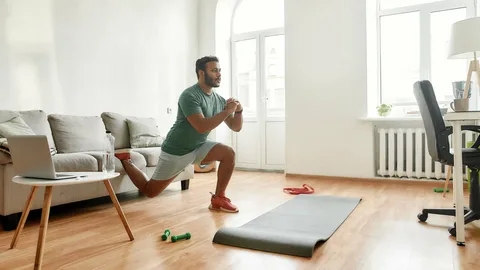
vvvLearning how to exercise at home is a practical way to improve your fitness, build strength, and create a healthier daily routine without joining a gym. You can start with simple movements such as walking in place, squats, wall push-ups, and gentle stretching. These exercises require little space and usually do not need special equipment. The best home workout is one that matches your current fitness level and fits comfortably into your schedule.
You do not need to complete an intense workout on your first day. Begin with manageable sessions, focus on correct technique, and increase your activity gradually. You can combine cardio exercises with strength training and flexibility movements to develop a balanced routine. Regular exercise may also support better sleep, mood, mobility, and long-term health. Whether you have 10 minutes or 30 minutes available, a realistic plan can help you stay active and build consistency over time.
Quick Answer: How Can You Exercise at Home?
To exercise at home, choose a safe, open space, warm up for five minutes, and perform beginner-friendly movements such as marching in place, chair squats, wall push-ups, and standing knee raises. Start with 10–20 minutes at a comfortable pace, cool down afterward, and gradually increase your workout time and difficulty as your fitness improves.
Key Takeaways
- You can exercise at home without a gym membership or expensive equipment.
- Beginners should start with simple movements and short sessions.
- A balanced routine combines cardiovascular activity, strength exercises, and flexibility work.
- Proper technique and gradual progression matter more than workout intensity.
- Consistency, recovery, hydration, and realistic goals help make exercise sustainable.
- Adults should gradually work toward at least 150 minutes of moderate-intensity aerobic activity each week and muscle-strengthening activities on at least two days, following U.S. physical activity guidelines.
Why Is Exercising at Home Important?
Exercising at home makes physical activity easier to fit into everyday life. You can choose your preferred time, avoid commuting to a gym, and adjust each workout to your abilities.
Regular physical activity supports cardiovascular health, muscular strength, balance, mobility, and mental well-being. The Centers for Disease Control and Prevention (CDC) explains that adults benefit from combining aerobic activity with muscle-strengthening exercises. Some activity is better than none, so you do not have to achieve every fitness target immediately.
Home workouts can also help you reduce long periods of sitting. For example, you might walk around your living room during a break, perform a few chair squats between tasks, or follow a short workout before breakfast.
The important point is to choose activities you can repeat regularly. A simple routine performed consistently is generally more useful than an exhausting workout you cannot maintain.
How Should Beginners Start Exercising at Home?
Beginners should start with manageable exercises, learn the correct movements, and increase their activity gradually. You do not need to buy equipment or follow an advanced fitness program to begin.
Step 1: Prepare a Safe Workout Space
Choose a flat, non-slip area where you can move your arms and legs freely. Remove loose rugs, toys, electrical cables, and other objects that could cause you to trip.
Wear comfortable clothing and supportive footwear when appropriate. Keep drinking water nearby, and use a stable chair if your routine includes seated or chair-assisted exercises.
Step 2: Warm Up for Five Minutes
A warm-up prepares your body for exercise by gradually increasing movement and effort. Start with gentle movements rather than immediately performing intense exercises.
Try marching in place, slowly rolling your shoulders, stepping from side to side, and moving your arms comfortably. Increase your pace slightly as you feel ready.
Step 3: Choose Four or Five Simple Exercises
Select movements that work different parts of your body. A beginner might combine marching in place, chair squats, wall push-ups, standing knee raises, and a short plank variation.
Start with a small number of repetitions or a short period of activity. Rest whenever needed, and choose easier variations if you cannot maintain good technique.
Step 4: Finish With a Cool-Down
Slow your movements gradually at the end of your workout. Walk slowly for a few minutes, breathe comfortably, and perform gentle stretches if they feel comfortable.
Do not force a stretch or bounce aggressively. Stop any movement that causes sharp pain or makes you feel unwell.
What Are the Best Exercises to Do at Home?
The best home exercises are movements that suit your fitness level, available space, and goals. A balanced routine can include cardio, lower-body strength, upper-body strength, core stability, and flexibility.
1. Marching in Place
Marching in place is an accessible way to begin cardiovascular exercise without leaving your home. Stand upright, lift your knees comfortably, and swing your arms naturally.
Continue for 30–60 seconds, then rest or slow down. As your fitness improves, increase your pace or duration gradually.
2. Chair Squats
Chair squats help strengthen the muscles used to stand, sit, and climb stairs. Stand in front of a stable chair with your feet approximately hip-width apart.
Push your hips backward and bend your knees to lower yourself toward the seat. Touch the chair lightly if comfortable, then push through your feet to stand up. Start with 5–10 repetitions.
3. Wall Push-Ups
Wall push-ups work the chest, shoulders, and arms while allowing you to control the difficulty. Place your hands against a wall around shoulder height and step back slightly.
Bend your elbows to bring your chest toward the wall. Push back to the starting position while keeping your body aligned. Move your feet farther from the wall only when the exercise feels comfortable and controlled.
4. Standing Knee Raises
Standing knee raises engage your hip muscles and challenge your balance. Stand tall, hold a stable chair if necessary, and lift one knee toward your waist as far as comfortable.
Lower your foot slowly and repeat on the other side. Perform 8–12 repetitions per side, adjusting the range of movement to your ability.
5. Glute Bridges
Glute bridges strengthen the muscles around your hips and buttocks. Lie on your back with your knees bent and feet flat on the floor, positioned comfortably apart.
Tighten your abdominal muscles gently and lift your hips without excessively arching your lower back. Pause briefly, then lower slowly. If lying on the floor is uncomfortable, choose a different exercise.
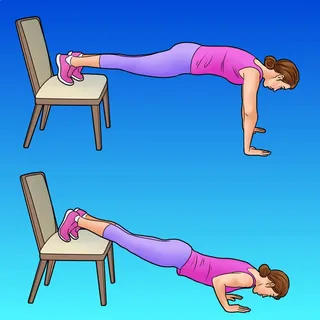
6. Planks or Wall Planks
Planks train your core muscles, which help stabilize your body. Beginners can place their hands or forearms against a wall and lean forward while keeping their body aligned.
Hold the position for 10–20 seconds while breathing normally. Gradually increase the duration when you can maintain good form. You do not need to begin with a floor plank.
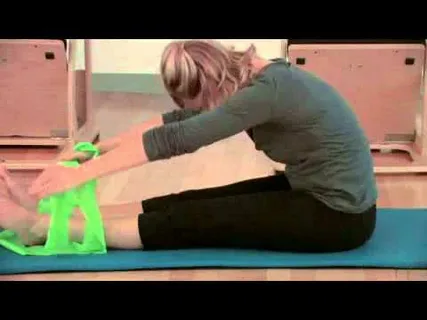
7. Gentle Stretching
Stretching can help maintain flexibility and comfortable movement. Try gentle calf, shoulder, chest, and hamstring stretches after your workout.
Move slowly and hold each stretch in a comfortable position without bouncing. Stretching should not cause sharp pain or numbness.
A Simple 20-Minute Home Workout Routine
A short, structured routine can make it easier to begin exercising. The following example combines a warm-up, moderate movement, basic strength exercises, and a cool-down.
| Time | Activity | Instructions |
|---|---|---|
| 0–5 minutes | Warm-up | March in place and step side to side |
| 5–8 minutes | Chair squats | Complete 5–10 controlled repetitions, resting as needed |
| 8–11 minutes | Wall push-ups | Perform a comfortable set, then rest |
| 11–14 minutes | Marching or side steps | Maintain a pace that feels manageable |
| 14–17 minutes | Standing knee raises | Alternate legs with support if needed |
| 17–20 minutes | Cool-down | Walk slowly and stretch gently |
Treat this schedule as a flexible example, not a strict test. You may need more rest, fewer repetitions, or easier variations when starting. You can also shorten the session to 10 minutes and build up over time.
Example 1: A Beginner With a Busy Schedule
Suppose you work at a desk and have little time before work. Start with a 10-minute session consisting of two minutes of marching, a few chair squats, wall push-ups, and gentle stretching.
Repeat the routine on several days each week, depending on your comfort and recovery. When the session becomes easier, increase the duration or add another set of exercises.
Example 2: Exercising in a Small Apartment
If you have limited floor space or need to keep noise down, choose marching in place, wall push-ups, chair squats, standing knee raises, and gentle mobility exercises.
Avoid jumping movements if they disturb neighbors or feel uncomfortable for your joints. You can build a useful routine without running, jumping, or purchasing large fitness equipment.
Which Type of Home Workout Should You Choose?
Different workout types offer different benefits. You can combine them throughout the week rather than relying on only one form of exercise.
| Workout type | Examples | Main purpose | Equipment |
|---|---|---|---|
| Cardio | Marching, dancing, brisk indoor walking | Improve cardiovascular fitness | Usually none |
| Strength | Squats, wall push-ups, resistance-band exercises | Build or maintain muscular strength | Optional |
| Core training | Wall planks, modified planks | Improve trunk stability | Usually none |
| Flexibility | Gentle stretching, mobility exercises | Maintain comfortable movement | Usually none |
| Balance | Supported single-leg stands, controlled heel raises | Practice balance and coordination | Stable support may help |
For general health, combine aerobic activity with strength training. Flexibility and balance exercises can also be useful, especially when selected for your age, mobility, and needs.
According to the CDC’s Physical Activity Guidelines for Adults, adults should aim for at least 150 minutes of moderate-intensity aerobic activity each week and muscle-strengthening activity on at least two days. You can accumulate aerobic activity in shorter sessions throughout the week.
How Often Should You Exercise at Home?
Your ideal schedule depends on your current fitness, recovery, health, and goals. Beginners can start with short sessions and gradually increase their weekly activity instead of immediately following a demanding daily program.
Here is one possible weekly schedule:
| Day | Suggested activity |
|---|---|
| Monday | 15–20 minutes of cardio and basic strength |
| Tuesday | Comfortable walking and gentle mobility |
| Wednesday | 15–20 minutes of strength exercises |
| Thursday | Light cardio or an easy movement session |
| Friday | 15–20 minutes of full-body exercises |
| Saturday | Walking, dancing, or another enjoyable activity |
| Sunday | Rest or gentle movement |
Adjust this schedule to your needs. You can split activity into shorter periods, and you do not have to perform a hard workout every day.
Moderate-intensity activity generally makes you breathe faster while still allowing you to talk, although singing becomes difficult. If you are new to exercise, begin at a lower intensity and build toward recommended activity levels.
Common Home Workout Mistakes to Avoid
Avoiding a few common mistakes can make your exercise routine safer and easier to maintain.
Doing too much too soon: Long, intense sessions can be difficult to recover from. Begin with a manageable workload and increase it gradually.
Skipping the warm-up: Moving directly into vigorous activity can feel uncomfortable. Start with easy movements and build up your effort.
Ignoring technique: Fast repetitions are not automatically better. Use controlled movements and choose an easier variation when necessary.
Training only one body part: A balanced plan should include different muscle groups and cardiovascular activity rather than focusing exclusively on abs or arms.
Expecting immediate results: Fitness develops over time. Track your routine and improvements in stamina, movement, and strength rather than judging progress by a single workout.
Ignoring pain or unusual symptoms: Stop exercising if you experience chest pain, faintness, severe shortness of breath, or other concerning symptoms. Seek appropriate medical care rather than trying to push through them.
How Can You Stay Consistent With Home Exercise?
Consistency becomes easier when exercise fits naturally into your daily routine. Instead of waiting for motivation, make a realistic plan and track your progress.
Choose a regular time, such as after waking up or before dinner. Keep your workout area ready, select exercises you enjoy, and set a small initial goal.
You can use a calendar, notebook, timer, or basic fitness app to record completed sessions. Track how long you exercised, which movements you performed, and whether the routine felt manageable.
When an entire workout feels overwhelming, complete a shorter session. If you miss a day, resume your usual plan when appropriate instead of trying to compensate with an excessively difficult workout.
How Can You Make Exercises More Challenging?
Once your routine feels comfortable, change one element at a time. You might add a few repetitions, extend your cardio session, introduce another set, or use a resistance band.
For strength exercises, progress when you can maintain good technique throughout the movement. For cardio, gradually increase duration or pace. More difficulty is useful only when you can manage it safely.
What Tools Do You Need for Home Workouts?
Most beginners can start without buying equipment. Your body weight, a stable chair, comfortable clothing, and enough room to move may be sufficient for a basic routine.
Optional equipment includes a non-slip exercise mat, resistance bands, light dumbbells, and a timer. Buy equipment only when it serves a clear purpose in your routine.
Reliable educational resources can help you learn movements correctly. The CDC provides physical activity guidance, while the National Health Service (NHS) offers instructions for strength, flexibility, and balance exercises. Choose instructional videos that demonstrate suitable modifications and clear technique.
Home Exercise Safety: What Should You Know?
Safe exercise begins with choosing movements appropriate for your abilities and increasing the workload gradually. Use a stable surface, keep your space clear, drink water as needed, and allow time for recovery.
If you have a chronic medical condition, a significant injury, persistent pain, or concerns about exercising, consult a qualified healthcare professional about suitable activities. Seek individualized guidance before starting vigorous exercise if you have been inactive and have relevant health concerns.
Stop exercising if you feel unwell or experience pain that makes movement unsafe. Chest pain, fainting, or severe breathing difficulty can require urgent medical attention.
This article provides general educational information, not an individualized medical assessment or treatment plan.
Frequently Asked Questions
1. How can I exercise at home as a complete beginner?
Start with a short warm-up, followed by easy exercises such as marching in place, chair squats, and wall push-ups. Begin with a duration you can manage comfortably, take breaks, and focus on controlled movements. Increase your workout gradually as your strength and stamina improve.
2. Can I exercise at home without equipment?
Yes. Many effective exercises use your body weight or simple movements. Squats, wall push-ups, standing knee raises, marching in place, and modified planks can form a basic routine. A stable chair or wall can provide support. Equipment is optional unless you need it for a particular goal.
3. How many minutes should I exercise at home each day?
There is no single daily duration that suits everyone. Beginners can start with 10–15 minutes and build up gradually. For general adult health, U.S. guidelines recommend at least 150 minutes of moderate-intensity aerobic activity weekly, plus strength training on at least two days. Shorter sessions can contribute toward your weekly total.
4. Can home workouts help me lose weight?
Home workouts can support weight management by increasing physical activity and energy expenditure. Results depend on several factors, including food intake, activity levels, sleep, and individual circumstances. Combine regular exercise with sustainable eating habits rather than relying on one exercise or expecting rapid changes.
5. Is it okay to exercise at home every day?
Light movement, comfortable walking, and gentle mobility work can often fit into daily life. However, demanding strength sessions may require recovery between workouts, particularly when training the same muscles. Vary your activities, adjust intensity to your fitness level, and take rest when needed.
6. What is the best time to exercise at home?
The best time is the time you can follow consistently. Some people prefer exercising in the morning, while others find an afternoon or evening session more practical. Choose a time when you can move comfortably without rushing, and adjust the intensity if you are tired or have recently eaten a large meal.
7. Do I need to warm up before exercising at home?
A warm-up is recommended, particularly before more demanding activity. Spend a few minutes marching, stepping side to side, and moving your arms gently. Increase the intensity gradually rather than beginning with vigorous exercise. A cool-down afterward can help you return to a more comfortable pace.
8. How long does it take to see results from home workouts?
Progress varies with your starting fitness, exercise selection, consistency, recovery, and other lifestyle factors. You may notice that familiar movements become easier before seeing obvious physical changes. Track improvements in stamina, repetitions, movement quality, and workout consistency instead of relying only on appearance or body weight.
Conclusion: Start Exercising at Home Today
Learning how to exercise at home does not require an expensive gym membership or an advanced training plan. Begin with simple movements, warm up properly, and choose a routine that matches your fitness level and available time.
As you become more comfortable, combine cardio, strength training, and flexibility exercises. Increase your activity gradually, allow time for recovery, and keep track of your progress.
Your next step: Choose four beginner-friendly exercises and schedule a short workout for today. Start at a comfortable pace, focus on good technique, and build a routine you can maintain.