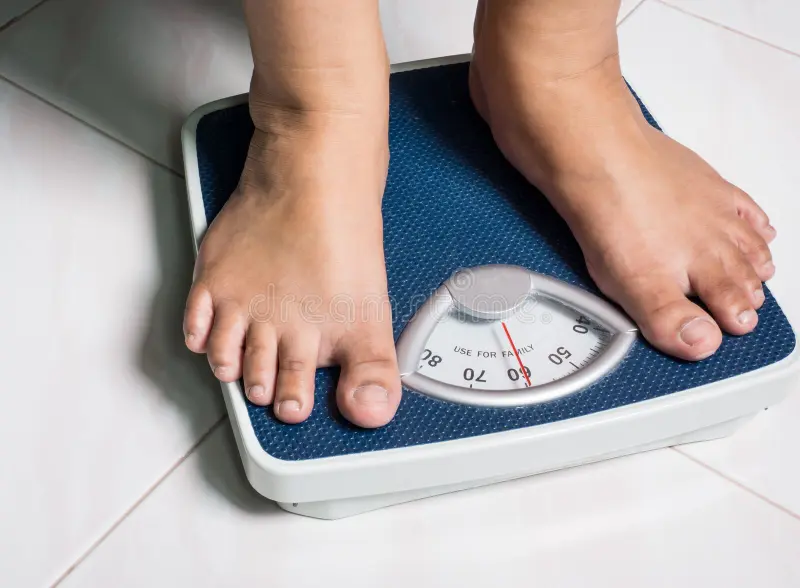
Losing weight does not require starving yourself, skipping every favorite food, or spending hours at the gym. The most effective approach is to build healthy habits that fit your daily routine. If you want to lose excess weight, start by improving your eating patterns, choosing sensible portions, moving more, and getting enough sleep. These changes can support your health without forcing you to follow a strict diet that is difficult to maintain. The key is consistency rather than perfection. Your age, activity level, medical history, medications, and starting weight can all affect your progress. Therefore, a plan that works for one person may not suit another. The following 10 steps to lose weight offer a practical starting point for adults who want to improve their health and work toward a weight that is appropriate for them.
Direct Answer: What Are the 10 Steps to Lose Weight?
The 10 steps to lose weight are setting a realistic goal, improving your diet, controlling portions, reducing sugary drinks, eating more fiber-rich foods and protein, exercising regularly, drinking enough water, sleeping well, managing stress, and tracking your progress. Combine these habits gradually and choose a routine you can maintain long term.
Key Takeaways
- Focus on gradual, sustainable weight loss rather than quick fixes.
- Build meals around vegetables, fruit, protein sources, and whole grains.
- Combine regular physical activity with balanced eating habits.
- Prioritize sleep, stress management, and realistic expectations.
- Track your habits and adjust your plan when necessary.
- Seek professional advice if you have a medical condition or need a personalized weight-management plan.
Step 1: Set a Realistic Weight-Loss Goal
A realistic goal gives you direction and helps you measure progress without unnecessary pressure. Instead of trying to lose a large amount of weight quickly, identify a manageable target based on your health needs.
The CDC explains that people who lose weight at a gradual, steady pace of about 1–2 pounds per week are more likely to keep it off than people who lose weight faster. This is a general guideline, not a guaranteed rate or a target that suits everyone.
Start by asking yourself why you want to lose weight. You might want to improve your stamina, make everyday movement easier, or support your overall health.
Write down a specific goal, such as walking for 15 minutes after dinner on four days each week. Behavior-based goals give you something useful to work on, even when your weight fluctuates.
Step 2: Eat a Balanced, Nutrient-Rich Diet
Healthy eating is one of the foundations of weight management. Choose foods that provide nutrients and help you feel satisfied while keeping your overall food intake appropriate for your needs.
The CDC recommends a healthy eating pattern that includes vegetables, fruits, protein foods, whole grains, and other nutrient-dense choices.
Try to include a combination of these foods in your meals:
- Vegetables: Spinach, carrots, broccoli, cabbage, and peppers.
- Fruits: Apples, oranges, berries, bananas, and other whole fruits.
- Protein: Eggs, fish, chicken, beans, lentils, tofu, or unsweetened yogurt.
- Whole grains: Oats, brown rice, and whole-wheat bread.
- Healthy fats: Nuts, seeds, avocados, and suitable plant oils.
You do not need to eliminate rice, bread, or other carbohydrate-rich foods to lose weight. Instead, consider your portion sizes and how these foods fit into your overall eating pattern.
For example, you could serve grilled chicken or lentils with vegetables and a moderate portion of rice. This creates a balanced meal without requiring expensive ingredients or special diet products.
Step 3: Control Your Portion Sizes
Portion control helps you manage how much you eat without banning the foods you enjoy. Even nutritious foods can contribute more energy than you need when portions are consistently larger than your requirements.
Try serving your food on a plate instead of eating directly from a large package. Eat slowly, pay attention to hunger and fullness, and pause before taking another serving.
A simple meal-planning method is to fill about half your plate with vegetables, one-quarter with protein-rich food, and one-quarter with grains or another starchy food. Treat this as a flexible visual guide rather than a strict medical prescription.
Restaurant meals and takeaway portions can be larger than you need. Consider ordering a smaller serving or saving some food for later if you feel comfortably satisfied.
You can also keep a short food diary for a few days. Record meals, snacks, drinks, and situations that lead to unplanned eating. The goal is to identify helpful changes, not to judge yourself.
Step 4: Reduce Sugary Drinks and Excess Calories
Replacing sugary drinks with water or unsweetened beverages can reduce your overall calorie intake without requiring major changes to your meals.
Common sources of added sugar include regular soda, sweetened tea, energy drinks, sweetened coffee, and some fruit drinks. These beverages can contribute calories without making you feel as satisfied as a balanced meal.
Try these practical alternatives:
- Replace regular soda with sparkling or plain water.
- Choose unsweetened tea instead of heavily sweetened tea.
- Reduce the sugar or flavored syrup added to coffee.
- Choose whole fruit more often than juice.
- Keep water available during work, travel, and exercise.
You do not have to give up every sweet drink forever. Start with one regular change, such as choosing water with lunch most days.
Remember that fruit juice, honey, and other sweeteners are not automatically calorie-free or suitable in unlimited amounts. Overall eating patterns matter more than labeling a single food as good or bad.
Step 5: Eat More Fiber-Rich Foods and Include Protein
Fiber-rich foods and protein sources can help make meals more satisfying. Including both in your eating pattern can make it easier to manage hunger and follow your plan consistently.
Fiber is found in foods such as beans, lentils, oats, vegetables, fruit, and whole grains. Protein comes from foods including eggs, fish, poultry, dairy products, beans, and soy foods.
Consider these simple combinations:
- Oatmeal with fruit and plain yogurt.
- Eggs with whole-wheat toast and vegetables.
- Lentil soup with a side salad.
- Grilled fish or chicken with vegetables and brown rice.
- Beans with whole-grain tortillas and salsa.
For a practical example, someone who usually eats a pastry for breakfast could try oatmeal with yogurt and fruit instead. The new meal provides a different mix of nutrients and may help them feel satisfied for longer. Individual responses vary, so choose foods that suit your appetite and preferences.
You do not need protein powders, fiber supplements, or expensive health foods to begin. Ordinary foods can form the foundation of a balanced eating plan.

Step 6: Exercise Regularly and Move More
Regular physical activity supports weight management, cardiovascular health, strength, and everyday mobility. You do not need to join a gym to become more active.
For adults, U.S. physical activity guidance recommends at least 150 minutes of moderate-intensity aerobic activity each week, along with muscle-strengthening activities on at least two days. Start at a level that is safe for you and build gradually.
Which exercises are useful for weight loss?
Walking
Walking is an accessible starting point for many people. Begin with short walks and gradually increase the duration or pace as your fitness improves.
Cycling
Indoor or outdoor cycling can improve aerobic fitness. Adjust resistance and duration to your ability.
Strength training
Resistance bands, weights, or suitable bodyweight exercises help strengthen muscles and support physical function.
Choose an activity you enjoy enough to repeat. A short walk during lunch, taking the stairs when appropriate, or dancing at home can help you move more throughout the day.
If you have been inactive for a long time or have a chronic health condition, ask a healthcare professional how to begin safely.
Step 7: Drink Enough Water
Water helps your body regulate temperature, transport nutrients, and perform other essential functions. Drinking water instead of sugary beverages can also support weight-management goals.
Your fluid needs depend on factors such as activity, climate, health, and the water you obtain from food and other drinks. There is no single amount of water that guarantees weight loss.
Try keeping a reusable bottle nearby, drinking water with meals, and drinking more when you sweat or exercise. Thirst and urine color can offer general clues about hydration, although neither is a perfect measure in every situation.
Water does not directly melt body fat, and drinking excessive amounts will not accelerate fat loss. Focus on staying adequately hydrated rather than following extreme water-drinking challenges.
Step 8: Get Enough Sleep
Good sleep supports general health and can make healthy eating and physical activity easier to maintain. Too little sleep is associated with weight-related challenges and may affect hunger, energy, and food choices.
Most adults ages 18–64 should aim for seven to nine hours of sleep per night, according to the National Institute of Diabetes and Digestive and Kidney Diseases. Individual needs can vary.
To build a healthier sleep routine:
- Go to bed and wake up at consistent times.
- Create a quiet, dark, comfortable sleeping environment.
- Reduce screen use before bed if it interferes with sleep.
- Avoid late-day caffeine if it affects your ability to fall asleep.
- Keep regular exercise and meal times where possible.
For example, if you stay up late watching videos and feel too tired to walk in the morning, moving your bedtime earlier may help you follow your activity plan. Better sleep is not a stand-alone weight-loss treatment, but it can support your other habits.

Step 9: Manage Stress and Emotional Eating
Stress can make healthy routines harder to follow. Some people eat more when they feel anxious, bored, lonely, or overwhelmed, while others lose their appetite.
The aim is not to eliminate all stress. It is to find practical ways to respond to it without relying entirely on food for comfort.
Try taking a short walk, calling a supportive friend, practicing slow breathing, writing down your concerns, or making time for a relaxing activity. If you notice that you often eat when you are not physically hungry, record what happened before the urge and how you felt afterward.
For example, someone who regularly snacks while working late might prepare a satisfying dinner and plan a deliberate evening snack. That approach can be more practical than banning all snacks and feeling deprived.
If eating feels out of control, causes significant distress, or involves repeated restriction and overeating, consider seeking help from a qualified healthcare professional.
Step 10: Track Your Progress and Adjust Your Plan
Tracking helps you see which habits are working and where small adjustments may help. Weight is one possible measure, but it is not the only useful sign of progress.
The CDC recommends monitoring habits such as eating, physical activity, and sleep, reviewing goals, and adjusting your plan as needed.
You might record:
- How often you walk or exercise.
- How frequently you eat vegetables and fruit.
- Your usual sleep duration.
- Sugary drinks consumed.
- Your weight trend, if weighing yourself is appropriate and helpful.
- Changes in energy, stamina, or how comfortably you move.
If you choose to weigh yourself, consider measuring under similar conditions and looking at trends over several weeks rather than reacting to one reading. Daily changes can reflect fluid balance, digestion, and other factors—not just body fat.
If your progress stalls, review your routine before making drastic changes. Look at portions, drinks, activity, sleep, and consistency. If you are unsure what to change, a registered dietitian or other qualified professional can help you develop a plan suited to your needs.
How Do Different Weight-Loss Approaches Compare?
Several approaches can support weight management, but their suitability depends on your health, preferences, budget, and ability to maintain them. A sustainable approach is generally more useful than one that promises dramatic results quickly.
| Approach | Potential benefit | Main consideration |
| Balanced eating and portion awareness | Builds practical, long-term habits | Requires consistency |
| Walking and other aerobic activity | Supports fitness and energy use | Start at a manageable level |
| Strength training | Builds or maintains muscle strength | Allow time for recovery |
| Calorie tracking | Can reveal eating patterns | May feel burdensome for some people |
| Structured weight-management program | Provides guidance and accountability | Check qualifications, evidence, and cost |
| Crash diets or detox products | May promise rapid results | Can be unsafe or difficult to maintain |
The National Institute of Diabetes and Digestive and Kidney Diseases advises choosing weight-loss programs that promote a healthy eating plan, appropriate physical activity, ongoing support, and a strategy for maintaining results. Be wary of promises of very rapid weight loss.
wo Practical Examples of Applying the 10 Steps
These examples illustrate how someone might adapt the advice to everyday life. They are hypothetical scenarios, not individual medical recommendations.
Example 1: A busy office worker
A person who spends most of the day sitting decides to start with three manageable changes: replace a sugary afternoon drink with water, walk for 15 minutes during lunch, and prepare a balanced dinner at home several evenings a week.
After establishing those habits, the person reviews their schedule and gradually adds activity if it feels manageable. The focus is on repeatable actions rather than trying to change everything in one day.
Example 2: A beginner who prefers home workouts
Someone who dislikes gyms starts with short home exercise sessions, bodyweight movements suited to their ability, and regular walks. They plan meals around familiar foods such as eggs, beans, vegetables, oats, and rice.
They also establish a more consistent bedtime and keep a weekly record of their habits. When work becomes busy, they shorten their workouts instead of abandoning the routine entirely.
Both examples show the same principle: build a plan around real life, then adapt it as you learn what works.
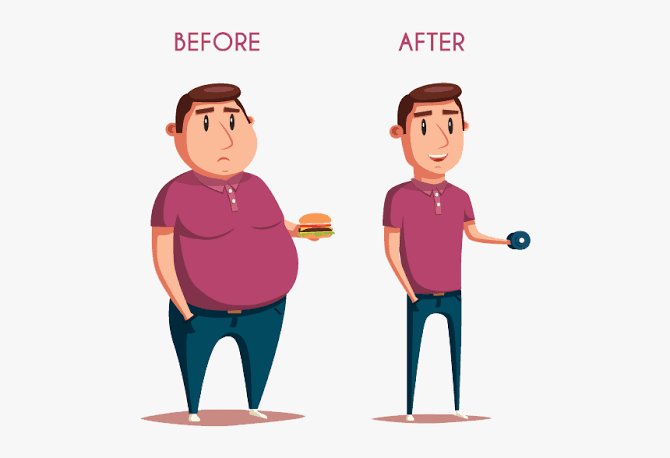
Common Weight-Loss Mistakes to Avoid
The most common mistakes are not a lack of willpower. They often involve unrealistic expectations, overly restrictive eating, or routines that are too difficult to maintain.
Avoid these pitfalls:
- Skipping meals to compensate for overeating: This may leave you extremely hungry later.
- Cutting out entire food groups without a medical reason: This can make your eating plan unnecessarily restrictive.
- Expecting belly fat to disappear through targeted exercises: Exercises strengthen muscles, but they cannot reliably remove fat from one chosen area.
- Doing too much exercise too soon: Rapid increases can cause excessive soreness or injury.
- Trusting detox teas, fat-burning supplements, or miracle diets: Claims may be unsupported, and some products can be harmful.
- Giving up after one difficult day: A setback does not erase the habits you have already built.
If your weight changes unexpectedly or you struggle despite sustained efforts, consider discussing possible medical, medication-related, or other contributing factors with a healthcare professional.
A Simple Weekly Weight-Loss Checklist
Use this checklist to turn the 10 steps into manageable actions. You can start with a few items and add more as they become routine.
My weekly checklist
0 of 8 complete
Plan balanced meals using foods I enjoy
Include vegetables, fruit, and protein-rich foods
Choose water or unsweetened drinks more often
Walk or do another suitable physical activity
Include strength-building activity if appropriate
Keep a consistent sleep schedule
Use a healthy stress-management activity
Review my habits without judging myself
Reset checklist
Use the checklist as a guide, not a test. Consistency over time matters more than completing every item perfectly every week.
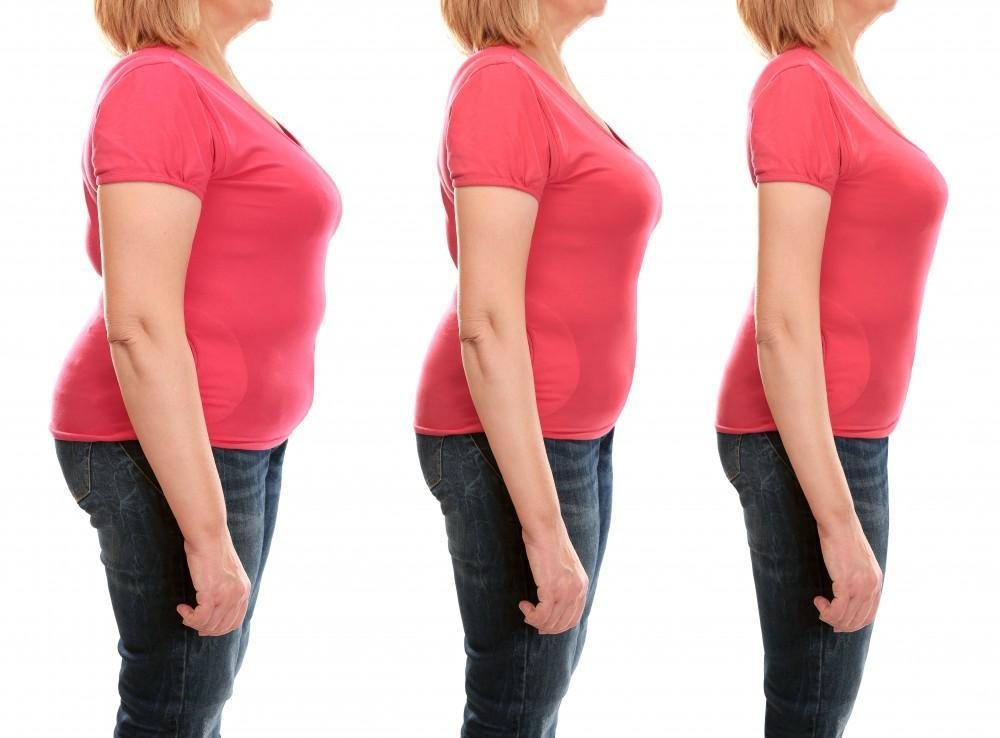
Frequently Asked Questions About Losing Weight
1. What are the 10 steps to lose weight?
The 10 steps are setting a realistic goal, eating balanced meals, controlling portions, reducing sugary drinks, including protein and fiber, exercising regularly, drinking enough water, sleeping well, managing stress, and tracking progress. You do not need to master every step immediately. Begin with a few practical changes and build on them as your routine becomes easier.
2. How much weight can you safely lose in a week?
The CDC describes gradual weight loss of about 1–2 pounds per week as a pace associated with better long-term weight maintenance. However, this is not a guarantee or a requirement for everyone. Your starting weight, health, medications, and other factors affect your progress. A healthcare professional can help you determine an appropriate target.
3. Can you lose weight without going to the gym?
Yes. You can increase physical activity through walking, dancing, cycling, gardening, and suitable home exercises. Weight management also involves eating habits, sleep, and other lifestyle factors. Choose activities you enjoy and can repeat consistently. If you have a medical condition or mobility limitations, ask a healthcare professional about safe exercise options.
4. What foods should you eat to lose weight?
Build meals around vegetables, whole fruits, beans, lentils, eggs, fish, lean meats, whole grains, and other nutrient-rich foods you enjoy. These foods provide important nutrients and can help you create satisfying meals. You do not need special diet products or to eliminate carbohydrates. Portion sizes and your overall eating pattern also matter.
5. Does drinking water help with weight loss?
Water supports hydration and may help with weight management when it replaces sugary drinks. However, water does not directly burn body fat, and drinking excessive amounts does not speed up fat loss. Drink regularly according to your needs, activity, and environment. People with medical conditions that affect fluid balance should follow their clinician’s advice.
6. How can you lose belly fat?
You cannot reliably target belly fat through a specific exercise or food. Overall fat loss, when appropriate, may reduce abdominal fat over time. Balanced eating, regular physical activity, adequate sleep, and sustainable habits can support this process. Be cautious of products or programs promising to remove belly fat in just a few days.
7. Why am I not losing weight despite eating less?
Weight changes can be affected by portion estimates, activity, sleep, medications, health conditions, and normal fluid fluctuations. A short plateau does not necessarily mean your efforts are failing. Review your habits over several weeks and avoid drastic restrictions. If progress remains difficult or you experience unexpected weight changes, consult a healthcare professional.
8. How can you maintain weight after losing it?
Weight maintenance depends on continuing habits you can sustain. Keep eating balanced meals, stay physically active, get enough sleep, and monitor your progress in a way that feels helpful. Plan for holidays, travel, and busy weeks instead of expecting perfect consistency. If you regain some weight, review your routine and make manageable adjustments rather than starting an extreme diet.
Conclusion: Start With These 10 Steps to Lose Weight
The 10 steps to lose weight work best as a collection of sustainable habits, not a short-term challenge. Balanced meals, sensible portions, regular movement, adequate sleep, and realistic goals can help you work toward better health. You do not need to change everything overnight or follow a strict diet to get started.
Choose two changes you can make this week. For example, replace one sugary drink each day and take a short walk after dinner. Once those habits feel manageable, build on them gradually.
Remember that progress differs from person to person. Focus on consistency, overall well-being, and long-term health rather than chasing rapid results. If you need help setting a target or adapting your routine, speak with a qualified healthcare professional.