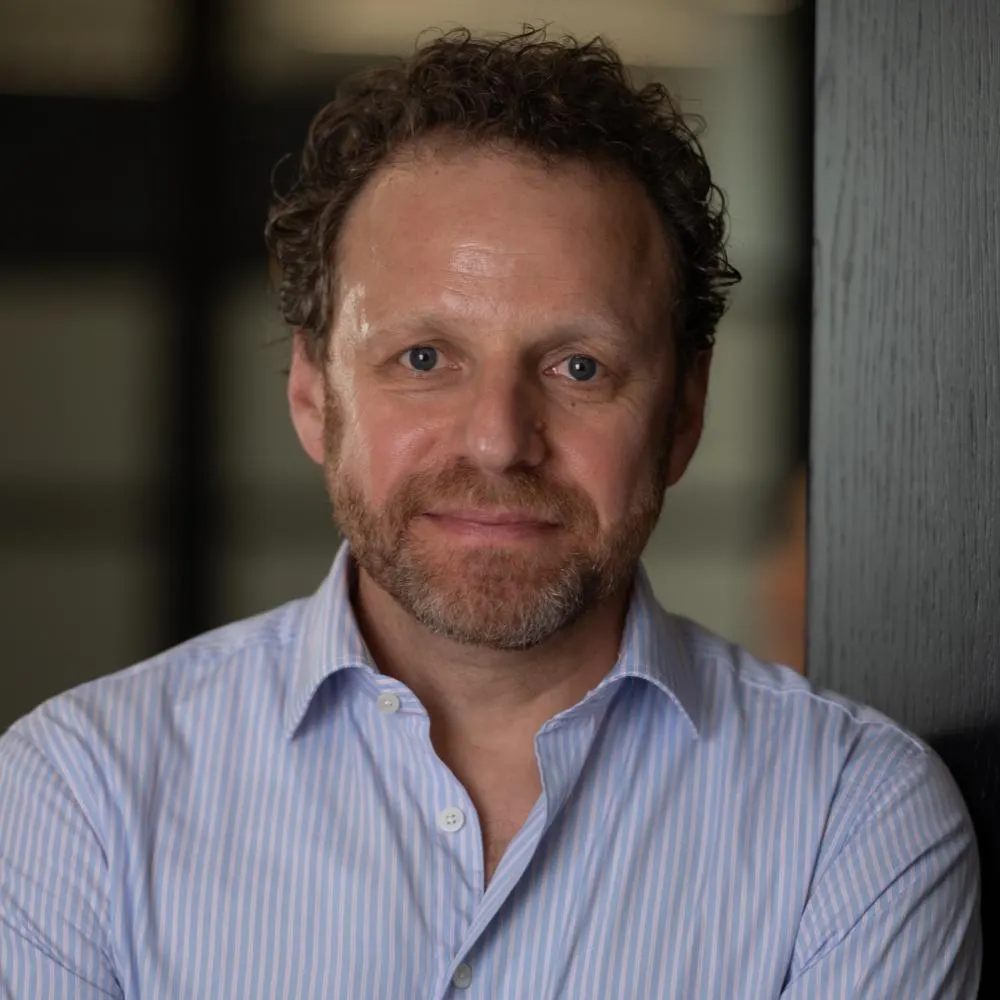
Alexander Savin, also spelled Aleksandr Savin, is a former Soviet volleyball player best known for winning Olympic gold at the 1980 Moscow Games and silver at the 1976 Montreal Games. Born on July 1, 1957, he became one of the notable players of his era and was inducted into the International Volleyball Hall of Fame in 2010. His career also connects to The Flying Elephant: Memoirs of an Olympic Champion, a book associated with his sporting experiences and the history of Soviet volleyball. Understanding Savin’s achievements provides useful context for readers interested in Olympic history, elite team sports, and athlete memoirs.
Quick Answer: Who Is Alexander Savin?
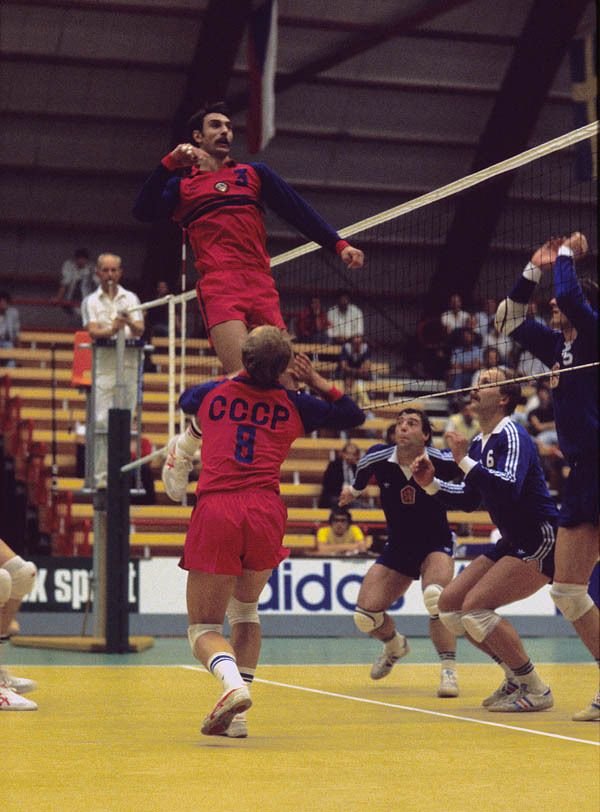
Alexander Savin, formally Aleksandr Borisovich Savin, is a former Soviet volleyball player who represented the Soviet Union at the 1976 and 1980 Summer Olympics. He won a silver medal in Montreal in 1976 and a gold medal in Moscow in 1980. His achievements also include world-level and European championship titles, and the International Volleyball Hall of Fame inducted him in 2010.
Key Takeaways
- Identity: Alexander Savin is the commonly used English rendering of Aleksandr Borisovich Savin’s name.
- Olympic record: He won silver in 1976 and gold in 1980.
- International success: His career included major World Championship, World Cup, and European Championship victories.
- Recognition: He entered the International Volleyball Hall of Fame in 2010.
- Book connection: The Flying Elephant: Memoirs of an Olympic Champion is a memoir associated with his life and volleyball career.
- Research tip: Consult official sporting records for career facts and the book’s own listing for publication details.
Who Is Alexander Savin?
Alexander Savin is a former international volleyball player whose career reflects the strength of Soviet men’s volleyball during the late 1970s and early 1980s.
His full name is Aleksandr Borisovich Savin. He was born on July 1, 1957, in Taganrog, in what was then the Russian Soviet Federative Socialist Republic of the Soviet Union. His sporting identity is closely associated with the Soviet national team and CSKA Moscow.
According to Olympedia, Savin stood approximately 200 centimetres tall and competed in two Olympic Games. His official Olympic record includes one gold medal and one silver medal.
The International Volleyball Hall of Fame recognized his contribution by inducting him in 2010. This distinction places him among the players whose careers helped shape the international history of indoor volleyball.
Why Is He Sometimes Called Aleksandr Savin?
The difference between Alexander and Aleksandr comes from transliteration. Russian names can be represented in English in several ways, depending on the spelling convention and the source.
For accurate research, use these variations when searching:
- Alexander Savin
- Aleksandr Savin
- Aleksandr Borisovich Savin
- Александр Борисович Савин
These names refer to the same volleyball player in the context of his Olympic career. However, a search for “Alexander Savin” alone may return other people with the same or a similar name. Confirm the sport and biographical details before treating a result as relevant.
How Did Alexander Savin’s Volleyball Career Develop?
Savin’s career developed during a period when Soviet volleyball was an established international force. He represented the Soviet Union in major competitions and played for CSKA Moscow, one of the country’s prominent sports organizations.
The CSKA Moscow sports profile records his playing career with the club from 1973 to 1988. It also documents his Olympic medals and major international titles.
His achievements should be understood in the context of team volleyball. An individual player contributes through technical ability, tactical decisions, physical preparation, communication, and coordination with teammates. National-team success depends on these elements working together.
Savin’s record shows that he competed successfully across several levels of the sport, from domestic club competition to European and world championships.
What Made His Era Important?
The Soviet Union consistently challenged the strongest national teams in international volleyball. Winning major competitions required more than height or attacking power; teams needed coordinated systems, disciplined defense, and reliable execution under pressure.
Savin competed during this demanding period and was part of a national team that won major tournaments. His career therefore offers a useful case study for readers exploring the relationship between individual performance and collective success.
[AUTHOR EXPERIENCE: Add an interview, firsthand observation, or a properly sourced account of a particular Savin match if the author has access to one. Do not imply personal attendance or experience without evidence.]
What Were Alexander Savin’s Biggest Olympic Achievements?
Savin’s Olympic career includes two distinct milestones: a silver medal in 1976 and a gold medal in 1980. Together, these results provide the clearest summary of his Olympic legacy.
The 1976 Montreal Olympics
At the 1976 Summer Olympics in Montreal, Savin competed for the Soviet Union men’s volleyball team. The team reached the gold-medal match but lost to Poland, finishing with silver.
This result was an important achievement in its own right. Olympic volleyball brings together national teams that have qualified through demanding international competition, and a silver medal represents success at the highest level of the sport.
Savin’s performance in Montreal also forms part of the background to the Soviet team’s next Olympic campaign.
The 1980 Moscow Olympics
Four years later, the Soviet Union won the men’s volleyball tournament at the 1980 Moscow Olympics. Savin was part of that gold-medal-winning team.
The victory gave him a second Olympic medal and moved him from silver-medal finisher to Olympic champion. The International Volleyball Hall of Fame’s biography records that the Soviet team defeated Bulgaria 3–1 in the final.
The two tournaments should be considered together when evaluating Savin’s career. The 1976 result demonstrates sustained international competitiveness, while the 1980 result marks the team’s Olympic championship.
| Olympic Games | Host city | Team result | Medal |
| 1976 Summer Olympics | Montreal, Canada | Soviet Union finished second | Silver |
| 1980 Summer Olympics | Moscow, Soviet Union | Soviet Union finished first | Gold |
Sources: Olympedia and the International Volleyball Hall of Fame.
What Did Alexander Savin Achieve Beyond the Olympics?
Savin’s achievements extended well beyond the Olympic tournament. His record includes major titles in world and European volleyball, demonstrating sustained success rather than a single outstanding result.
The CSKA Moscow profile and the International Volleyball Hall of Fame provide useful starting points for checking these accomplishments.
| Competition | Year | Recorded achievement |
| FIVB World Cup | 1977 | Gold |
| FIVB World Championship | 1978 | Gold |
| Olympic Games | 1980 | Gold |
| FIVB World Cup | 1981 | Gold |
| FIVB World Championship | 1982 | Gold |
| Olympic Games | 1976 | Silver |
| FIVB World Championship | 1986 | Silver |
These results highlight Savin’s place in an exceptionally successful period for the Soviet men’s team. They also show why his career remains relevant to readers studying international volleyball history.
His Place in the Volleyball Hall of Fame
The International Volleyball Hall of Fame inducted Savin in 2010. The organization recognizes important contributors to the sport and preserves the history of volleyball through biographies and records.
For readers checking a player’s reputation, this recognition is more meaningful when considered alongside competition results. Hall of Fame membership provides institutional recognition, while Olympic and championship records establish what the player achieved on the court.
Neither should be treated as a substitute for the other. Together, they provide a stronger picture of a player’s sporting legacy.
What Is The Flying Elephant: Memoirs of an Olympic Champion?
The Flying Elephant: Memoirs of an Olympic Champion is a book associated with Alexander Savin’s life and career in volleyball. An online Kindle listing identifies the work as a memoir and gives publication and production details.
The book may interest readers who want to explore the personal side of elite sport beyond medal tables and tournament summaries. A memoir can provide a different perspective on competition by discussing experiences, relationships, preparation, and the meaning of a sporting career.
However, readers should distinguish the book’s description from independently verified historical facts. Official sports records can confirm Olympic results, while detailed claims about individual episodes in the memoir require checking against the text itself.
What Should Readers Know About the Edition?
The online listing provides the following information:
| Detail | Listing information |
| Title | The Flying Elephant: Memoirs of an Olympic Champion |
| Associated athlete | Alexander Savin |
| Format | Kindle edition |
| Listed publication date | October 26, 2025 |
| Listed length | 514 pages |
| Language | English |
These are listing details, not an independent assessment of the book’s contents or quality. Confirm the current edition page before publishing purchase information, since availability and product metadata can change.
How Does a Memoir Differ From a Sports Biography?
A memoir typically emphasizes the author’s recollections and personal perspective. A biography may draw on a wider range of sources to reconstruct a person’s life.
That distinction matters when reading about historical sporting events. A memoir can offer valuable firsthand recollections, but memory is selective, and a personal account may not include every relevant perspective.
For a balanced understanding, compare the memoir with Olympic records, team histories, and independent historical research. This approach allows readers to appreciate personal storytelling without treating every recollection as a complete historical record.
Is Alexander Savin’s Memoir Worth Reading?
The memoir may be worth considering if you are interested in Olympic volleyball, Soviet sporting history, or the experiences of athletes competing at the highest level.
Its value depends on what you want from a book. A reader seeking a detailed statistical record may prefer official databases. Someone interested in personal reflections may find a memoir more engaging, provided the edition delivers the depth and historical detail they expect.
A Practical Book-Evaluation Framework
Before buying or recommending the memoir, consider five questions:
- Authorship: Does the listing clearly explain the author’s role and the people responsible for editing or translating the edition?
- Content: Does the sample include substantial personal recollections, sporting details, and historical context?
- Historical value: Are specific matches, dates, teammates, and events consistent with independent records?
- Format: Is the digital edition compatible with your reading device, and does the product page accurately describe its length and language?
- Reader fit: Are you looking for personal storytelling, volleyball history, tactical insight, or a reference work?
This framework is more useful than relying solely on promotional descriptions or an unverified claim that a book contains rare material.
[AUTHOR EXPERIENCE: If the author has read the complete edition, add a specific, verifiable observation about the writing, organization, translation, or usefulness of the book. Otherwise, clearly label the article as a review of the available listing rather than a firsthand book review.]
How Does Alexander Savin Compare With Other Volleyball Legends?
Savin’s career can be compared with other players by looking at their roles, international achievements, Olympic results, and historical significance. A fair comparison should use the same criteria for each athlete.
| Comparison criterion | What to examine | Why it matters |
| Olympic performance | Medals and tournament results | Shows success at the Olympic level |
| World competition | World Championship and World Cup results | Measures achievement beyond the Olympics |
| Playing role | Position and tactical responsibilities | Helps explain how the athlete contributed |
| Longevity | Years of international competition | Indicates sustained participation |
| Recognition | Hall of Fame or other documented honors | Provides context for the athlete’s legacy |
Savin’s strongest documented comparison points are his Olympic silver and gold medals, his world titles, and his 2010 Hall of Fame induction.
Comparisons with players from different eras require caution. Rules, training methods, tactical systems, competition formats, and the number of participating teams can change. Medal totals alone cannot establish who was the better player.
What Can Readers Learn From Alexander Savin’s Career?
Savin’s career offers several useful lessons about elite team sport. These are practical interpretations of his documented achievements, not claims that he personally expressed every lesson.
1. Consistency Matters Across Major Competitions
His international record includes multiple major tournament victories across different years. This illustrates why a sporting legacy should be evaluated across a career rather than through a single final or championship.
2. Team Results Require Collective Performance
Volleyball is a coordinated sport. Serving, receiving, setting, attacking, blocking, and defending are interdependent skills. A championship result reflects the combined performance of the team and its coaching structure, not one athlete alone.
3. Historical Context Changes How We Interpret Success
Savin competed for the Soviet Union, a country that no longer exists. Modern readers should preserve that historical distinction rather than automatically attributing his medals to the present-day Russian national team.
4. Primary Sources Improve Sports Research
A strong sports profile should begin with official competition records and institutional biographies. Memoirs and interviews can add personal context, but the two forms of evidence serve different purposes.
How to Research Alexander Savin Accurately
If you are writing about Savin or using his career in an educational project, follow this verification process.
- Confirm identity. Match his full name, birth date, sport, and Olympic participation.
- Verify medals. Check Olympedia and the International Volleyball Hall of Fame.
- Cross-check club history. Consult the CSKA Moscow profile for documented career information.
- Separate facts from interpretation. Identify which statements come from official records and which are analysis.
- Verify the book separately. Check the current edition listing for title, format, publication date, and credited contributors.
- Read before reviewing. Do not describe the memoir’s tone, accuracy, photographs, or personal revelations as firsthand findings unless you have examined the relevant material.
Common Mistakes to Avoid
The most common mistakes are confusing Savin with another person of the same name, calling him a current Russian national-team player, attributing the Soviet Union’s historical medals to modern Russia, and treating a product description as independent evidence of a memoir’s contents.
Another mistake is describing a book as definitively excellent, authoritative, or essential without explaining the basis for that judgment. A credible article gives readers the evidence they need to reach their own conclusions.
Frequently Asked Questions About Alexander Savin
1. Who is Alexander Savin?
Alexander Savin, also known as Aleksandr Borisovich Savin, is a former Soviet volleyball player born on July 1, 1957, in Taganrog. He represented the Soviet Union at the 1976 and 1980 Summer Olympics, winning silver and gold respectively. His achievements also include major world and European volleyball titles and induction into the International Volleyball Hall of Fame in 2010.
2. Did Alexander Savin win an Olympic gold medal?
Yes. Savin won Olympic gold as a member of the Soviet Union men’s volleyball team at the 1980 Moscow Games. He had previously earned silver at the 1976 Montreal Olympics. These results make him a two-time Olympic medalist, with one gold and one silver medal recorded in his Olympic profile.
3. What is Alexander Savin famous for?
Savin is best known for his success in international volleyball during the late 1970s and early 1980s. His career included Olympic medals, FIVB World Championship victories, World Cup titles, and European Championship success. The International Volleyball Hall of Fame inducted him in 2010, providing further recognition of his contribution to the sport.
4. Is Alexander Savin Russian or Soviet?
Savin was born in the Soviet Union and represented the Soviet Union in international competition. He is commonly described as a Russian former volleyball player today, but his Olympic medals belong to the historical Soviet Union team. This distinction is important when researching sporting records from before the Soviet Union dissolved.
5. What is The Flying Elephant: Memoirs of an Olympic Champion about?
The book is presented in its online listing as a memoir associated with Savin’s life and career as an Olympic volleyball champion. Readers interested in Soviet volleyball and the personal experiences of elite athletes may find