
Quick Answer: La Roche-Posay and Neutrogena both offer acne treatments containing proven active ingredients, including benzoyl peroxide and salicylic acid. The better choice depends on the specific product, your type of acne, your skin’s sensitivity, and your budget. Compare ingredient concentrations and formulations before choosing a brand.
Key Takeaways
- For inflamed pimples: Compare benzoyl peroxide treatments, such as La Roche-Posay Effaclar BPO and Neutrogena Stubborn Acne AM Treatment.
- For blackheads and clogged pores: Salicylic acid products from either brand may help.
- For sensitive skin: Check the complete ingredient list, introduce treatments gradually, and support your skin barrier with moisturizer.
- For budget-conscious shoppers: Compare the price per ounce and the cost of a complete routine rather than assuming one brand is always cheaper.
- For persistent or severe acne: Over-the-counter skincare may not be sufficient. A dermatologist can recommend more appropriate treatment.
1. What Are La Roche-Posay and Neutrogena?
La Roche-Posay and Neutrogena are skincare brands that sell cleansers, moisturizers, sunscreens, and acne treatments. Both offer products designed for acne-prone skin, but their formulas differ, so the individual product matters more than the brand name.
La Roche-Posay is known for its Effaclar range, which includes treatments for blemishes, clogged pores, and oily skin. Neutrogena offers a broad selection of acne cleansers, spot treatments, serums, and leave-on medications.
Neither brand is automatically better for every person. A well-matched product with a suitable active ingredient may be more useful than a more expensive formula that irritates your skin or does not address your main concern.
What makes La Roche-Posay different?
La Roche-Posay offers several types of acne treatment. Its US Effaclar range includes a benzoyl peroxide treatment with 5.5% micronized benzoyl peroxide, salicylic acid products, and adapalene gel 0.1%.
These products target different aspects of acne. Benzoyl peroxide helps reduce acne-causing bacteria, salicylic acid helps unclog pores, and adapalene helps regulate skin cell turnover.
The range also includes products with supporting ingredients, such as glycerin and niacinamide. However, individual formulas differ, and some contain fragrance or exfoliating acids. Check the exact product label rather than assuming the entire range is suitable for sensitive skin.
What makes Neutrogena different?
Neutrogena offers acne treatments at several strengths and in different formats. Examples include Evenly Clear Acne Cleanser with 2% salicylic acid, Stubborn Acne AM Treatment with 2.5% benzoyl peroxide, and Rapid Clear Stubborn Acne Spot Gel with 10% benzoyl peroxide.
This selection allows shoppers to compare a daily cleanser, a leave-on treatment, and a stronger spot product. These formats are not interchangeable, and a higher concentration does not automatically mean better results for every skin type.
Official product details are available through the Neutrogena acne treatment range and La Roche-Posay’s Effaclar range.
2. How Do Their Acne Ingredients Compare?
The most useful way to compare La Roche-Posay vs Neutrogena for acne is to look at active ingredients, concentrations, and how the product is used. Both brands sell products that target common acne concerns, but the formulation determines how a treatment fits into your routine.
Benzoyl peroxide: For inflamed pimples
Benzoyl peroxide reduces acne-causing bacteria and is commonly used for inflammatory acne. It is available in cleansers and leave-on treatments.
Examples from the US product ranges include:
- La Roche-Posay Effaclar BPO Multi-Target Acne Treatment: 5.5% micronized benzoyl peroxide.
- Neutrogena Stubborn Acne AM Treatment: 2.5% benzoyl peroxide.
- Neutrogena Rapid Clear Stubborn Acne Spot Gel: 10% benzoyl peroxide.
These products differ in concentration and intended use. The La Roche-Posay product is a multi-target treatment, Neutrogena’s AM product is designed for daily acne care, and its Rapid Clear gel is intended for targeted application.
A 10% formula is not necessarily the best starting point. Benzoyl peroxide can cause dryness, redness, peeling, and irritation. It can also bleach towels, pillowcases, and clothing.
Salicylic acid: For clogged pores and blackheads
Salicylic acid is a beta hydroxy acid that helps loosen and remove dead skin cells from pores. It can be useful for blackheads, whiteheads, and some pimples.
Examples include La Roche-Posay Effaclar products with 0.5% or 1.5% salicylic acid and Neutrogena Evenly Clear Acne Cleanser with 2% salicylic acid.
Do not compare these concentrations without considering the product format. A cleanser is rinsed off, while a leave-on serum remains on the skin. Their overall effects and irritation potential may differ.
If clogged pores are your main concern, choose a product with salicylic acid and introduce it gradually. Avoid starting several exfoliating products at the same time.
Adapalene: For recurring acne and clogged pores
Adapalene is a topical retinoid that helps prevent pores from becoming clogged. It can be particularly useful for recurring blackheads, whiteheads, and acne lesions.
La Roche-Posay sells Effaclar Adapalene Gel 0.1% in the United States, and Neutrogena also offers adapalene gel 0.1%.
These products contain the same active ingredient at the same stated concentration. Compare the full formulation, package directions, price, and your skin’s tolerance rather than assuming that one brand is more effective.
Important: If you are pregnant or planning pregnancy, consult your healthcare professional before using a topical retinoid. Do not use adapalene during pregnancy unless specifically advised by your clinician.
The American Academy of Dermatology (AAD) includes benzoyl peroxide, topical retinoids, and salicylic acid among recommended acne therapies. See its acne clinical guideline.
3. Which Brand Is Better for Different Skin Types?
Neither brand is universally best for oily, dry, combination, or sensitive skin. Choose a formula that addresses your acne while remaining comfortable enough to use consistently.
For oily skin
If your skin becomes shiny quickly and develops frequent clogged pores, a salicylic acid cleanser or leave-on treatment may be worth considering.
Neutrogena offers salicylic acid cleansers, while La Roche-Posay offers salicylic acid products in its Effaclar range. Compare the concentration, fragrance, other exfoliating ingredients, and whether the product is rinsed off.
Oily skin still needs moisturizer. Choose a lightweight, non-comedogenic formula to help reduce treatment-related dryness.
For sensitive skin
Sensitive skin can react to active ingredients, fragrance, and combinations of exfoliants. Neither brand should be considered irritation-free across its entire range.
Check the ingredient list before buying. Introduce one acne treatment at a time, start at a conservative frequency consistent with the label, and stop if substantial irritation develops.
A gentle cleanser, moisturizer, and sunscreen can provide a simpler foundation while you assess a new treatment.
For dry or combination skin
If your cheeks feel dry but your forehead and nose are oily, avoid treating every part of your face as if it has the same needs.
A gentle cleanser and moisturizer can support dry areas, while an acne treatment can be applied to the areas specified by its label. Some people tolerate a leave-on treatment better when they use moisturizer consistently.
The AAD explains that moisturizers can help people tolerate acne treatments that cause dryness. Look for products labeled oil-free, non-comedogenic, or won’t clog pores. See its guide to moisturizers for acne-prone skin.
For blackheads, whiteheads, and inflamed pimples
Match the active ingredient to the main problem:
- Blackheads and whiteheads: Consider salicylic acid or adapalene.
- Red, inflamed pimples: Consider benzoyl peroxide.
- Recurring mixed acne: A clinician may recommend a combination of treatments that work in different ways.
- Deep, painful nodules or cysts: Seek professional care instead of relying only on cosmetic products.
If acne is leaving scars or does not improve with appropriate over-the-counter care, consult a dermatologist.
4. How Do the Products Compare Side by Side?
The following table compares representative products sold in the United States. It is an ingredient and product-format comparison, not a controlled clinical trial of the two brands.
| Comparison | La Roche-Posay | Neutrogena |
| Benzoyl peroxide example | Effaclar BPO Multi-Target Treatment, 5.5% | Stubborn Acne AM Treatment, 2.5% |
| Higher-strength spot option | Compare the current Effaclar range and labels | Rapid Clear Spot Gel, 10% |
| Salicylic acid example | Effaclar products with 0.5% or 1.5% | Evenly Clear Cleanser, 2% |
| Adapalene option | Effaclar Adapalene Gel, 0.1% | Adapalene Gel, 0.1% |
| Product formats | Cleansers, serums, leave-on treatments | Cleansers, serums, spot treatments |
| Main selection factors | Formula, tolerance, concentration, price | Formula, tolerance, concentration, price |
Product availability, names, and formulations can change. Confirm the active ingredient and concentration on the current packaging before purchasing.
Which one should you choose?
Choose by matching the treatment to your primary concern rather than assigning a winner to the entire brand.
If you want a lower-concentration benzoyl peroxide treatment, Neutrogena’s 2.5% Stubborn Acne AM Treatment is one option to compare. If you prefer La Roche-Posay, its 5.5% Effaclar BPO treatment is another option, but the higher concentration may not be necessary for everyone.
For salicylic acid, compare the specific cleanser or leave-on product you plan to use. For adapalene, the two brands offer the same stated active concentration, making price, packaging, and tolerability useful comparison points.
5. How Should You Build an Acne Skincare Routine?
A good acne routine combines an appropriate treatment with gentle cleansing, moisturization, and sun protection. Starting with fewer products makes it easier to identify irritation and determine whether a treatment is helping.
Step 1: Cleanse gently
Wash your face with a mild cleanser and lukewarm water. Avoid harsh scrubbing, abrasive brushes, and repeated washing that leaves your skin tight or uncomfortable.
If you choose a medicated cleanser, follow its package directions and account for other active ingredients in your routine.
Step 2: Introduce one acne treatment
Choose one primary treatment based on your main concern. For example, consider salicylic acid for clogged pores or benzoyl peroxide for inflamed pimples.
Follow the label’s directions. Start at the lowest practical frequency permitted by the product instructions, especially if your skin is sensitive. Do not apply extra product to compensate for missed applications.
Step 3: Apply moisturizer
Use a moisturizer labeled non-comedogenic or oil-free if you are concerned about clogged pores. Moisturizing helps maintain the skin barrier and can make acne treatment easier to tolerate.
Step 4: Protect your skin during the day
Use a broad-spectrum sunscreen with SPF 30 or higher. Choose a formula that feels comfortable and does not worsen your breakouts.
The AAD recommends broad-spectrum, water-resistant SPF 30 or higher sunscreen. Its acne treatment guidance provides additional advice.
Step 5: Give the routine time
Acne treatments do not usually produce lasting results overnight. The AAD advises allowing approximately six to eight weeks for many acne treatments to show improvement.
If your acne is worsening, painful, scarring, or not responding to treatment, seek medical advice rather than repeatedly switching brands.
6. What Common Acne Treatment Mistakes Should You Avoid?
The most common mistakes include using too many active ingredients, applying excessive amounts, and abandoning a suitable treatment before it has had time to work.
Combining too many exfoliating ingredients
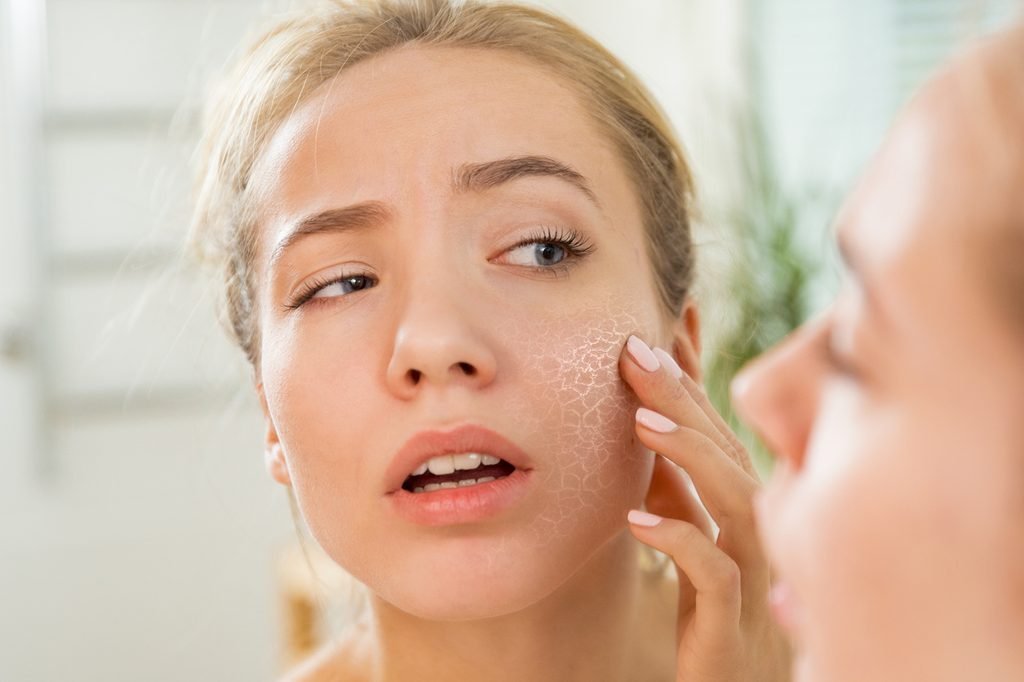
Using a salicylic acid cleanser, an exfoliating serum, a strong benzoyl peroxide gel, and a retinoid together can irritate your skin.
Although dermatologists sometimes recommend combination treatment, the combination should be appropriate for your acne and tolerance. Build your routine carefully rather than layering every product at once.
Assuming stronger means better
Higher concentrations can increase irritation without guaranteeing better results for your individual skin. A product’s formulation, contact time, application frequency, and consistency also matter.
Ignoring moisturizer
Skipping moisturizer because your skin is oily can make treatment-related dryness harder to manage. Select a suitable formula instead of leaving irritated skin unsupported.
Expecting overnight results
A pimple may look different within a day, but controlling recurring acne generally requires consistent treatment. Avoid judging a product solely by the appearance of one blemish after a single application.
Ignoring warning signs
Stop using a product and seek appropriate medical advice if you experience severe irritation. Rarely, nonprescription topical acne products can cause serious allergic reactions. Seek emergency medical attention for symptoms such as difficulty breathing or swelling of the face, lips, tongue, or throat.
7. Which Brand Offers Better Value for Money?
The better value is the product that addresses your acne effectively, suits your skin, and fits your budget over time. Brand prestige and the number of ingredients on a label do not establish superior results.
Prices vary by retailer, location, package size, and promotion. Compare the cost per ounce or milliliter, how often the product is used, and whether you need additional products to complete your routine.
For example, a shopper choosing between two benzoyl peroxide treatments should compare the active concentration, product format, package directions, and likely tolerability. A shopper comparing adapalene gels should examine the same active concentration, formulation details, and price.
Avoid buying an entire product range before testing your skin’s response to one treatment. A simple routine that you can maintain is often more practical than a large collection of overlapping products.
8. Frequently Asked Questions
Is La Roche-Posay or Neutrogena better for acne?
Neither brand is universally better. Both sell products containing ingredients supported by dermatological acne guidance. The right choice depends on the particular product, active ingredient, concentration, skin sensitivity, and cost. Compare equivalent treatments instead of judging the brands as complete ranges.
Which brand is better for sensitive, acne-prone skin?
Look at the full ingredient list rather than choosing by brand name. Fragrance, exfoliating acids, and benzoyl peroxide can be irritating for some people. Introduce one product at a time, use moisturizer, and stop if significant irritation develops. Persistent reactions warrant advice from a healthcare professional.
Is benzoyl peroxide better than salicylic acid?
They serve different purposes. Benzoyl peroxide reduces acne-causing bacteria and is commonly used for inflamed pimples. Salicylic acid helps remove dead skin cells and unclog pores, making it useful for blackheads and whiteheads. The better ingredient depends on the type of acne you want to treat.
Can I use La Roche-Posay and Neutrogena together?
Yes, products from both brands can sometimes fit into one routine, but check their active ingredients first. Using multiple exfoliants or acne medications simultaneously can increase irritation. Start with one primary treatment, add other products cautiously, and follow the labels or your dermatologist’s instructions.
How long does acne treatment take to work?
Many acne treatments need six to eight weeks before improvement becomes noticeable. Results vary with the treatment, severity of acne, and consistency of use. If acne remains uncontrolled, worsens, or begins to scar, seek professional advice instead of repeatedly changing products.
Which brand is more affordable?
There is no universal winner because prices and package sizes vary. Compare the cost per ounce or milliliter of equivalent products and account for how often each is used. A less expensive product is not necessarily better value if it irritates your skin or does not address your acne.
Which product is best for blackheads?
A salicylic acid product or adapalene may help with blackheads by addressing clogged pores. Choose a suitable product and follow its instructions. If blackheads persist or coexist with painful acne, a dermatologist can help determine whether you need a different treatment.
When should I see a dermatologist?
Seek professional advice if you have deep, painful acne, scarring, persistent breakouts, or significant irritation from treatment. A dermatologist can assess the type and severity of acne and recommend prescription or other treatments when appropriate. Earlier care can help reduce the risk of lasting scars.
9. Final Verdict: La Roche-Posay vs Neutrogena for Acne
La Roche-Posay and Neutrogena both offer credible options for acne-prone skin. Neither brand wins in every category, because the products contain different active ingredients, concentrations, and formulations.
For inflamed pimples, compare benzoyl peroxide treatments. For clogged pores and blackheads, consider salicylic acid or adapalene. If your skin is sensitive, prioritize tolerability, introduce products gradually, and maintain a simple routine with moisturizer and sunscreen.
Before purchasing, check the current product label, compare the price of equivalent formulas, and consider the type of acne you want to treat. If your acne is painful, scarring, or persistent, a dermatologist can help you choose a more appropriate treatment.
Medical disclaimer: This article provides general educational information, not a diagnosis or individualized medical advice. Acne products can cause irritation or allergic reactions. Follow product labeling and consult a qualified healthcare professional when needed.
Editorial note: Product information should be checked against current US labels before publication. Product comparisons above are based on listed ingredients and intended uses, not independent head-to-head clinical testing.